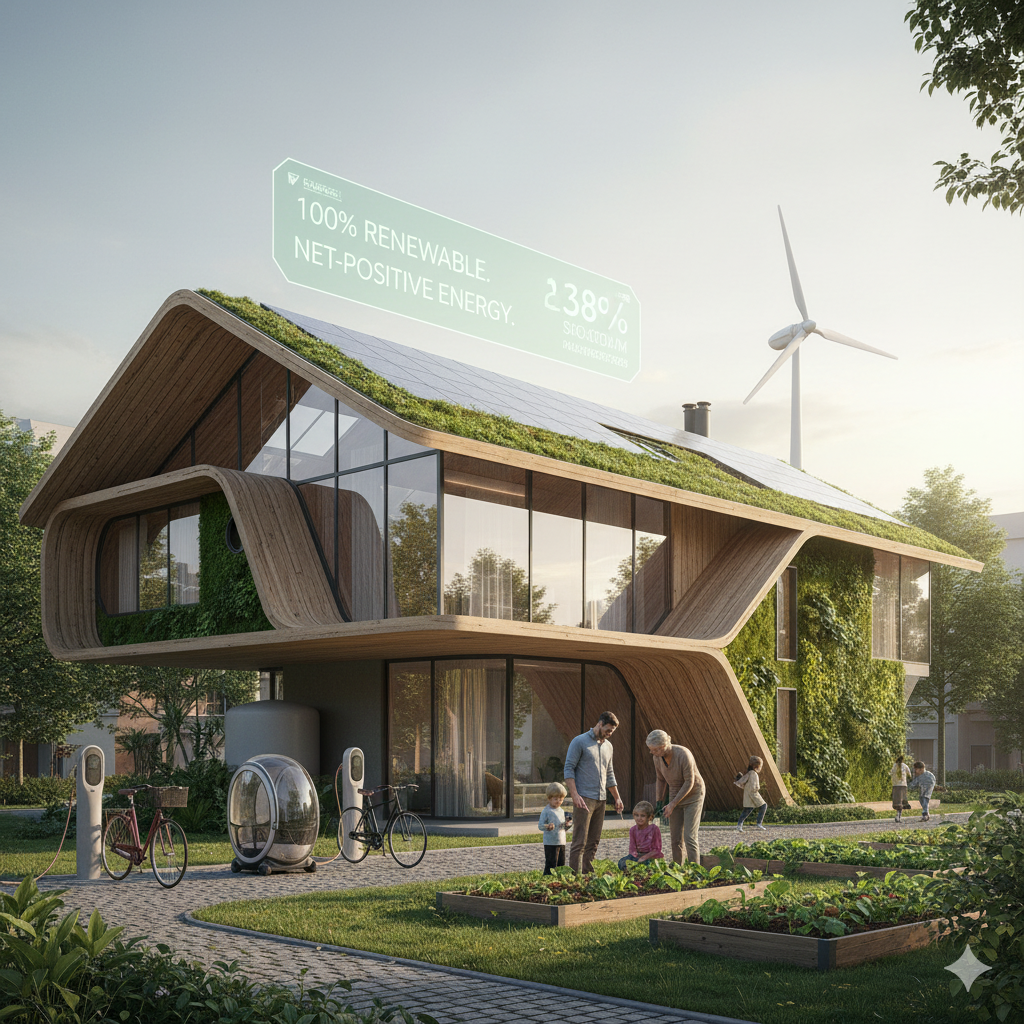
Design isn’t just about aesthetics anymore. It has become a tool for imagining and shaping a better future—one where sustainable living and advancing technologies coexist harmoniously.
At Nano Banana Works, we explore how AI-powered design tools help visualize future lifestyles and ideas that don’t yet fully exist. But design alone doesn’t make the future real. Green energy infrastructure and practical technology solutions have to be part of it too.
In this post, we’ll look at where design and green energy meet, how AI helps visualize those futures, and why, as a long-term design and tech blogger, a solution like Anker SOLIX X1 makes sense in the narrative of a sustainable, low-carbon lifestyle.
The Intersection of Design, Sustainability, and Technology
Today’s most compelling visual stories aren’t just beautiful—they communicate value and possibility. When designers create imagery of a sustainable future—such as a home running entirely on renewable power or a low-carbon urban space—the goal isn’t decoration. It’s creating understanding and emotional resonance.
With AI tools like Nano Banana, we can generate high-quality visual content from simple natural language prompts. This capability allows designers and creators to quickly build scenes such as:
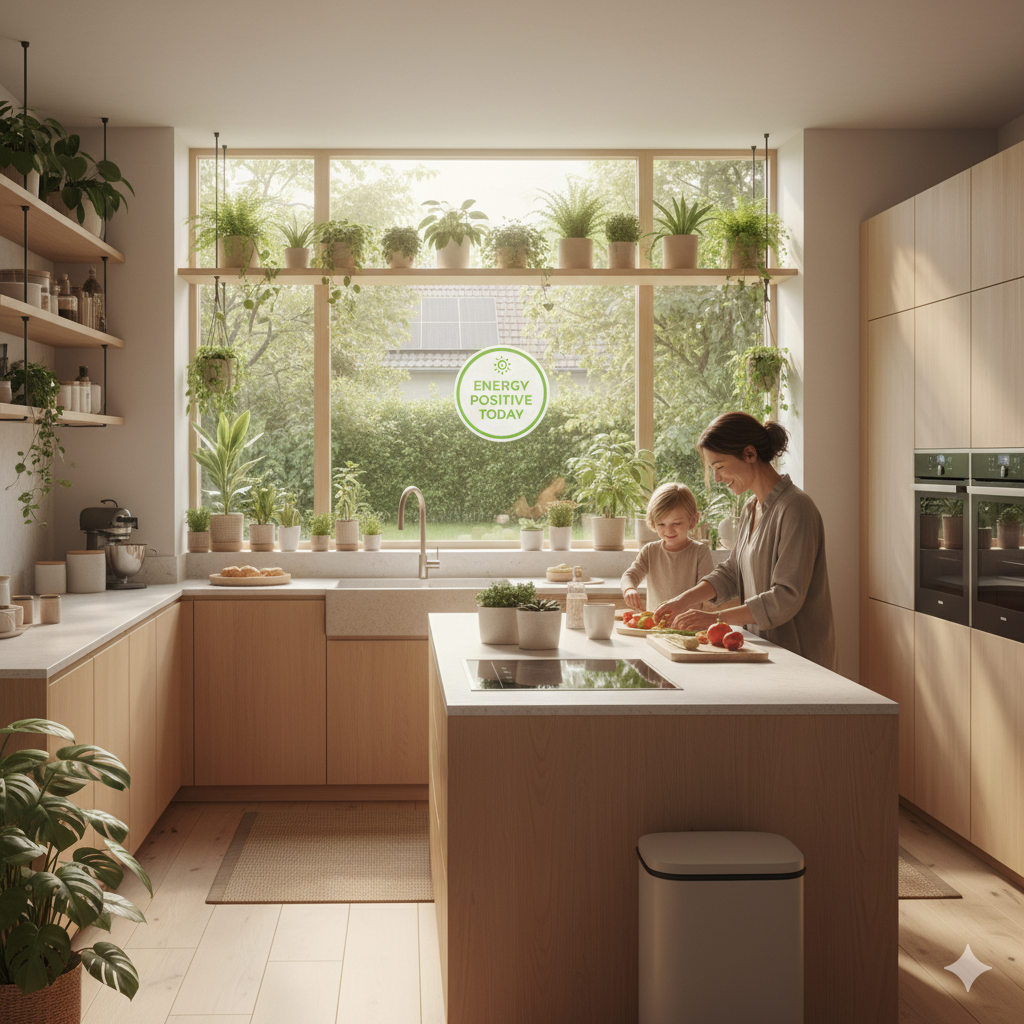
A family kitchen powered by clean energy, soft sunlight falling across potted plants and sleek minimal appliances—evoking calm, sustainable living.
These visuals help audiences imagine not just what the future could look like, but how it would feel. When sustainable technology becomes visual context rather than abstract concept, it becomes more relatable—and more adoptable.
Why AI Visual Tools Matter for Green Futures
Traditional design workflows — full render pipelines, hardware-intensive software, and iterative manual processes — come with high resource and energy costs. AI bridges this gap by lowering the barrier to entry and enabling rapid iteration.
Beyond efficiency, AI design tools help us explore living systems visually. You can generate:
- A rooftop PV system with modular batteries storing solar power
- A city plaza illuminated by low-energy smart lighting
- A minimalist home interior with embedded energy management tech
AI helps democratize future design, making it easier for creators to launch ideas with minimal cost and waste.
Real-World Green Energy: More Than Imagination
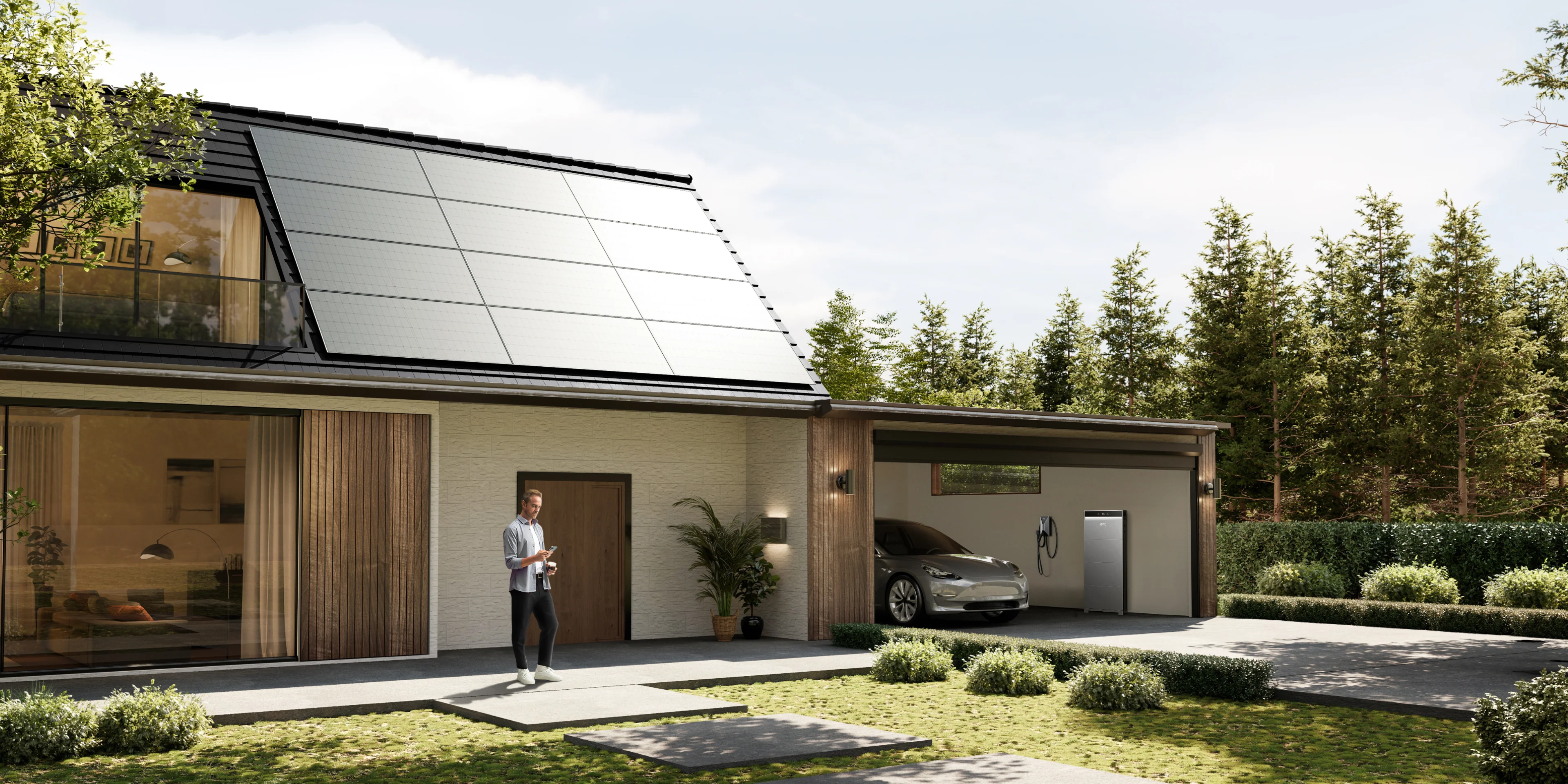
While design shows possibility, real green living depends on the technologies that make it function.
Transitioning to a low-carbon lifestyle requires energy systems that:
- Store clean power efficiently
- Integrate with solar generation
- Provide resilient backup during outages
- Offer intuitive control and management
This is where advanced energy storage solutions come in.
Introducing Anker SOLIX X1: Design Meets Sustained Power
A design thinker doesn’t recommend products lightly. A product earns a place in a design narrative when its technical qualities and real-world potential align with the future stories we create.
The Anker SOLIX X1 is a modular, high-capacity home energy storage system designed to convert and store solar energy for household use. It seamlessly blends form and function, earning recognition such as the Red Dot Product Design Award for its elegant and user-friendly approach to sustainable energy systems.
What makes the X1 relevant to conversations about design and the future?
- Elegant yet practical design — straightforward aesthetics that integrate naturally into modern spaces.
- Supports solar integration — enabling homeowners to store clean energy and reduce reliance on grid power.
- Scalable modular architecture — expand capabilities as needs grow.
From a design perspective, the Anker SOLIX X1 doesn’t feel like an add-on. It belongs naturally in scenes of sustainable living: homes with integrated solar roofs, smart energy dashboards, and conscious lifestyle visuals generated with AI tools like Nano Banana.
As a blogger focused on design, AI, and the future of technology, I recommend it not for trendiness, but because it concretizes the kinds of futures we frequently visualize and discuss—future homes that are beautiful, efficient, and sustainable.
Visualizing a Green Future with Purpose
When we combine:
- AI-generated visuals that communicate aspiration
- Design-driven storytelling that conveys meaning
- Real technology systems like the Anker SOLIX X1 that realize those visions
we build a bridge between imagination and reality.
Design helps people see the future. Technology helps people live it.
At Nano Banana Works, the best design practices don’t just depict a greener world—they enable it. Recommending solutions that fit into that ecosystem is part of a thoughtful, responsible design narrative.